Insight
The Frontier Firm: what AI-native actually looks like

Most "AI-native" pitches I sit through are really shopping lists. More copilots, more licences, a newer model in the stack. Useful, sometimes. But none of it is what makes a firm AI-native, and pretending otherwise is how a transformation budget gets spent with nothing structural to show for it.
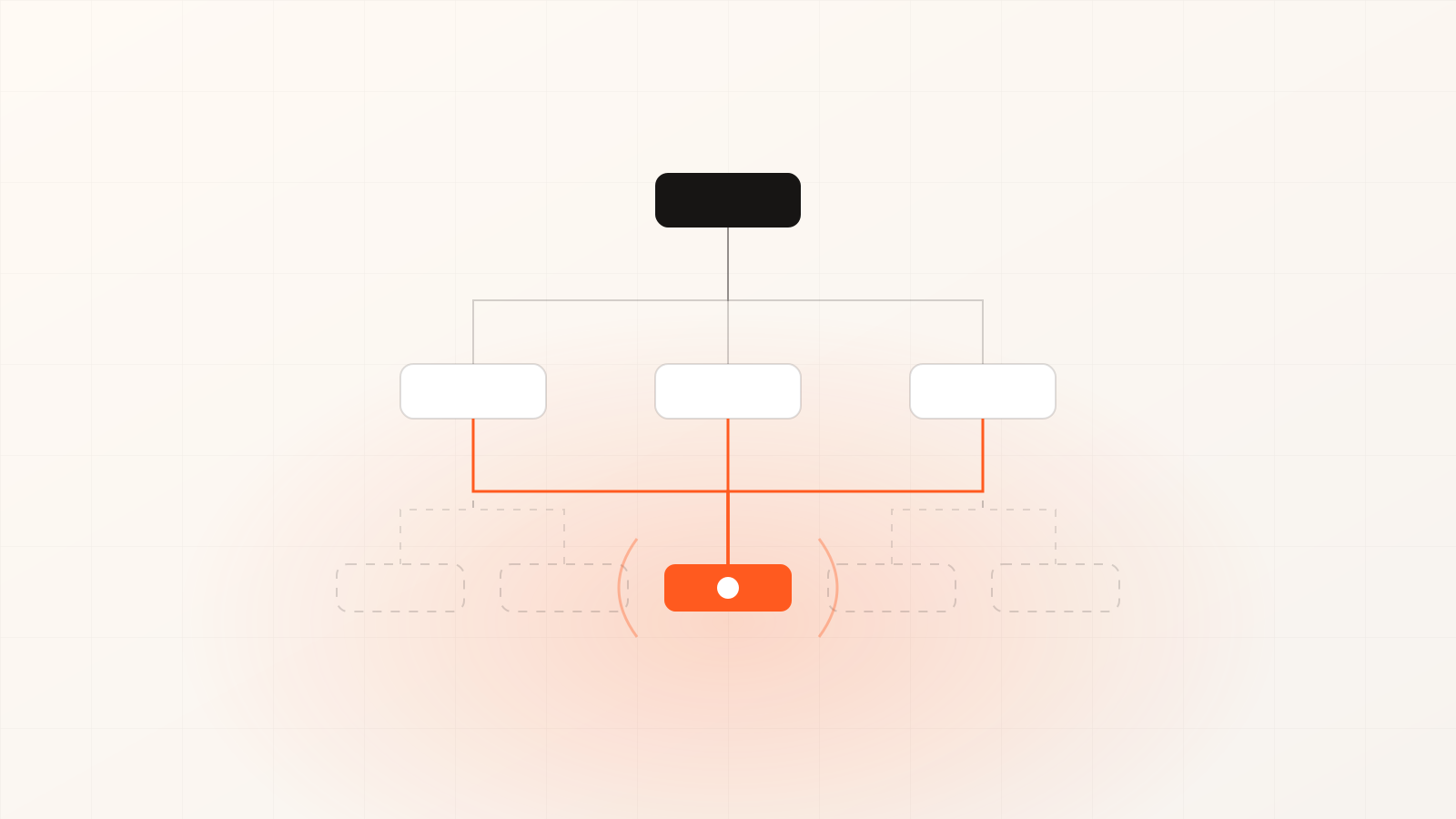
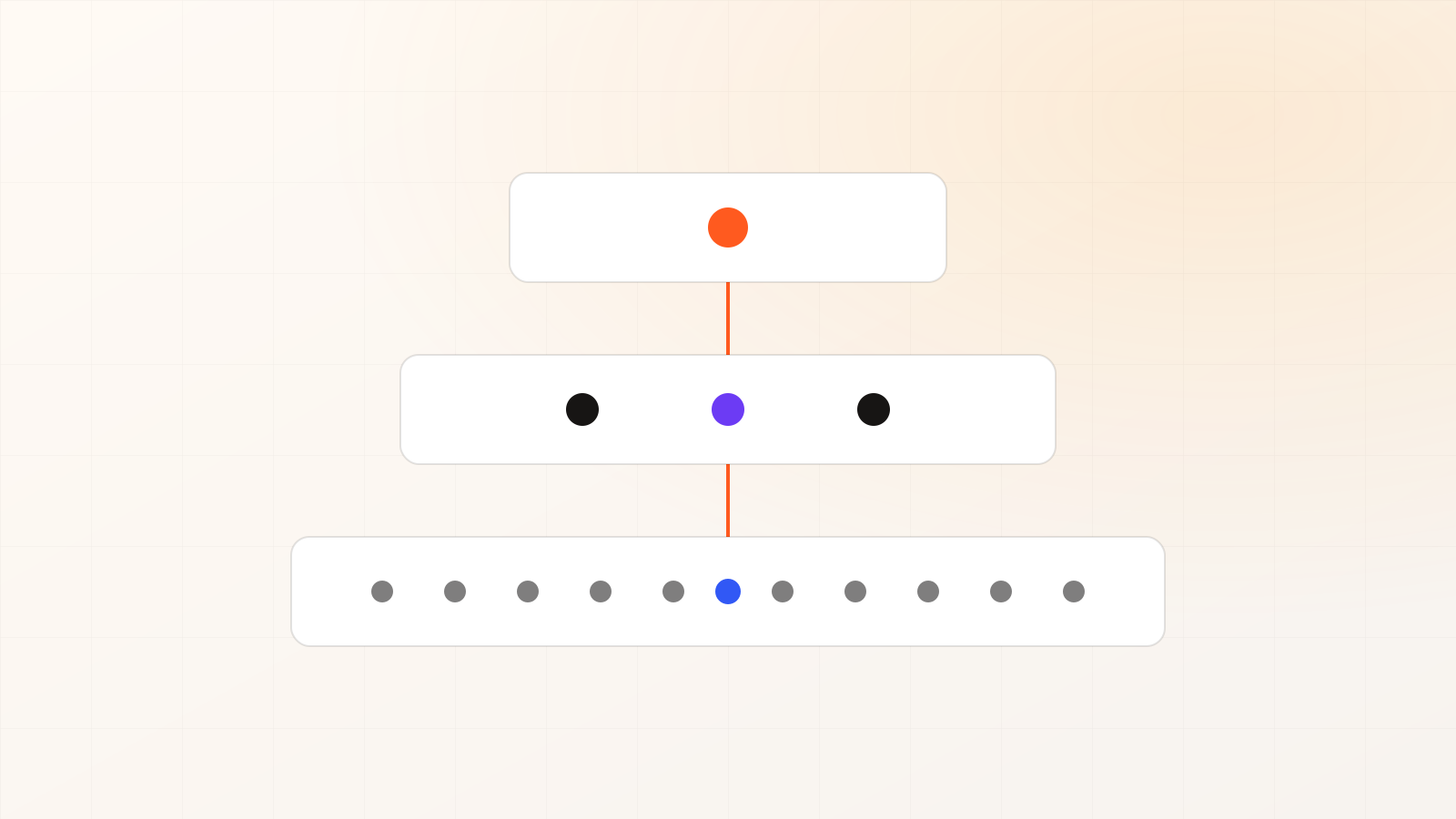
So here is the lesson I keep relearning the hard way: AI-native is an operating model, not a tech stack. A Frontier Firm is defined by how work is organised, not by which tools it has bought. Agents execute the work. People orchestrate the outcomes. Leadership governs the system through flows and accountability, not hierarchy alone.
The shape of the thing
So what does that actually look like on the ground? Work organises around value flows rather than departments. Agent fleets run inside each capability, and every fleet has a named human owner - an Agent Boss - accountable for the outcome, not just the activity. Governance isn't bolted on at the end. It sits above the work as a deliberate layer, deciding what agents are allowed to do and who answers for it when they do. Picture a claims function: a fleet triages, drafts and routes thousands of cases, while one accountable human sets the policy, handles the exceptions and signs off the edge cases the agents flag. That is the unit of work now, not a team of twelve doing it by hand.
Notice what's missing from that picture. Headcount. Reporting lines. The org chart. None of them describe where value actually gets created in a Frontier Firm, which is exactly why so many transformation programmes stall: they try to run AI-native work with a map drawn for the old world.
And the people? Their jobs change shape entirely. The valuable skill stops being doing the task and becomes directing the fleet that does it - framing the work, checking it, owning the result. That is a genuinely new capability, and it isn't evenly distributed. Some of your strongest orchestrators don't sit where the org chart says they should.
You design it, or you don't get it
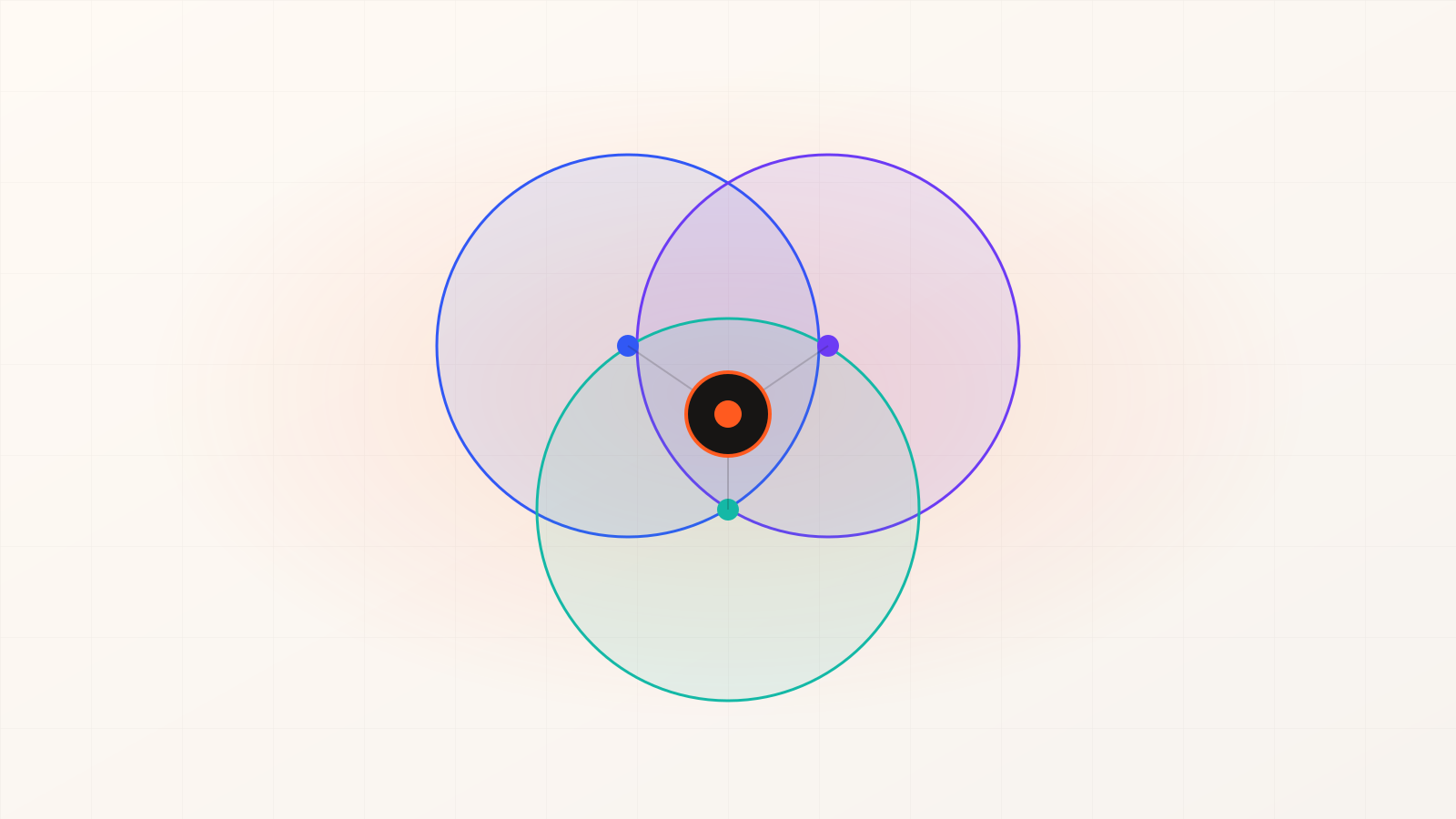
You can't buy your way here, and you certainly can't stumble here. The firms making real progress treat this as a design problem first - modelling how value, agents, people and governance fit together before they commit a pound of capital or a single integration.
Sounds like extra work. It's the opposite. Designing the destination is what stops you paving the cow paths, automating a broken process and calling it progress. Get the structure right on paper and most of the tooling decisions make themselves. Get it wrong and no number of licences will save you.
That is the work the Frontier Atlas exists to do: a living model of how your value, agents and people fit together, so you can see the Frontier Firm before you fund it.
AI-native is a structure. Draw it before you build it. Then go and build the Frontier Firm.